
Why Best Sunscreen Is More Than Just Skincare
Table of Contents
The Emotional Cost of Ignoring Sun Protection
Let’s get real for a moment. Sunscreen isn’t just another boring step in your skincare routine—it’s the silent guardian your skin begs for every single day. Think about those moments when you look in the mirror and notice new dark spots, uneven tone, or early wrinkles creeping in. It doesn’t happen overnight. It’s the result of tiny, invisible damage stacking up, day after day, under the sun you thought was harmless.
Skipping sunscreen might feel like no big deal today, but your future self will remember. Sun exposure doesn’t just cause tanning—it accelerates aging, damages your skin barrier, and increases the risk of serious conditions like skin cancer. According to dermatologists, consistent sunscreen use is one of the most powerful ways to prevent both aging and disease.
It’s emotional because it’s personal. Your skin tells your story—your confidence, your self-care, your health. And sunscreen? It’s your way of protecting that story from fading too soon.
What Dermatologists Are Saying in 2026
Dermatologists in 2026 are louder than ever about one truth: sunscreen is non-negotiable. Experts emphasize daily use—even indoors—because harmful UVA rays can penetrate windows and silently damage your skin.
Modern dermatology doesn’t just focus on preventing sunburn anymore. It’s about long-term skin health, preventing hyperpigmentation, and preserving your natural glow. Experts now recommend broad-spectrum SPF 30 or higher as a baseline, with SPF 50 being ideal for intense climates like India.
And here’s the reality check—most people still don’t use enough sunscreen or skip reapplication entirely. That means even if you think you’re protected, you might not be. Sunscreen isn’t just about buying the right product—it’s about using it right, every single day.
Understanding Sunscreen Basics
to choose best sunscreen for your skin
What Does SPF Really Mean?
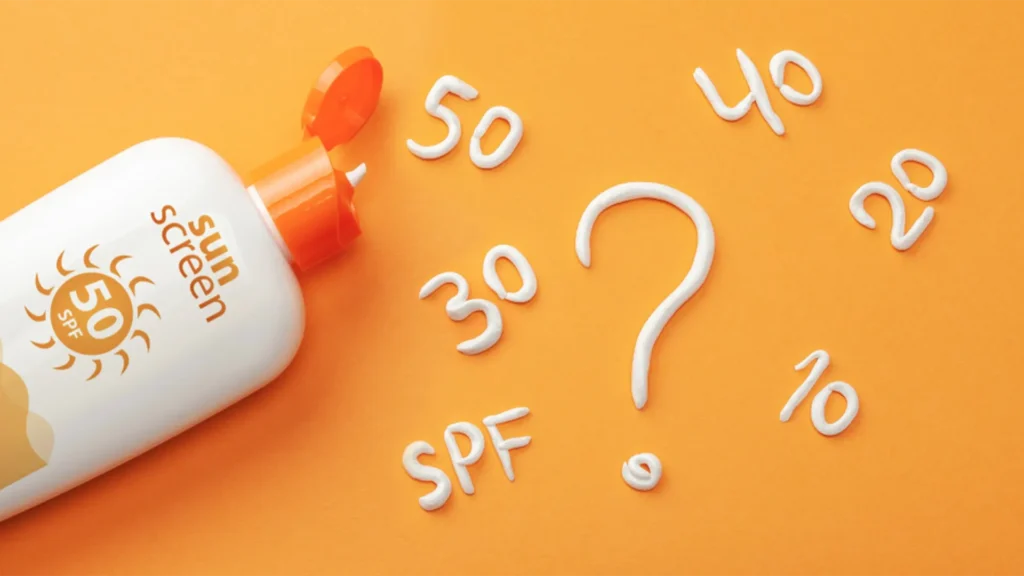
SPF is one of the most misunderstood things in skincare. You’ve probably seen SPF 30, 50, even 100—but what does it actually mean? SPF measures protection against UVB rays, the ones responsible for sunburn. But here’s the twist: higher SPF doesn’t mean dramatically better protection.
- SPF 30 blocks about 97% of UVB rays
- SPF 50 blocks about 98% of UVB rays
That tiny difference can fool you into thinking SPF 100 is twice as powerful—it’s not. What truly matters is consistent application and reapplication. If you apply SPF 50 once and forget it for the rest of the day, you’re not protected.
Think of SPF like an umbrella. A stronger umbrella helps, but if you leave it behind when it rains again, what’s the point?
UVA vs UVB – The Invisible Enemies
If UVB rays are the loud villains causing sunburn, UVA rays are the quiet ones that sneak in and cause long-term damage. They penetrate deeper into your skin, leading to wrinkles, pigmentation, and even skin cancer.
That’s why “broad-spectrum” sunscreen is crucial—it protects against both UVA and UVB rays.
Many people make the mistake of focusing only on SPF, ignoring UVA protection ratings like PA+++. In reality, both matter equally. Without UVA protection, your skin is still vulnerable—even if you never get sunburned.
Types of Sunscreen
Mineral Sunscreens
Mineral sunscreens, also known as physical sunscreens, use ingredients like zinc oxide and titanium dioxide to reflect UV rays away from the skin. They’re often recommended for sensitive skin because they sit on top of the skin rather than absorbing into it.
Recent trends in 2026 show a growing preference for mineral sunscreens due to their safety and reduced irritation risk.
The downside? Some formulas can leave a white cast—but modern versions have improved dramatically, blending seamlessly into different skin tones.
Best sunscreen (Mineral Sunscreens)
1. Cetaphil Sun SPF 50+ Light Gel
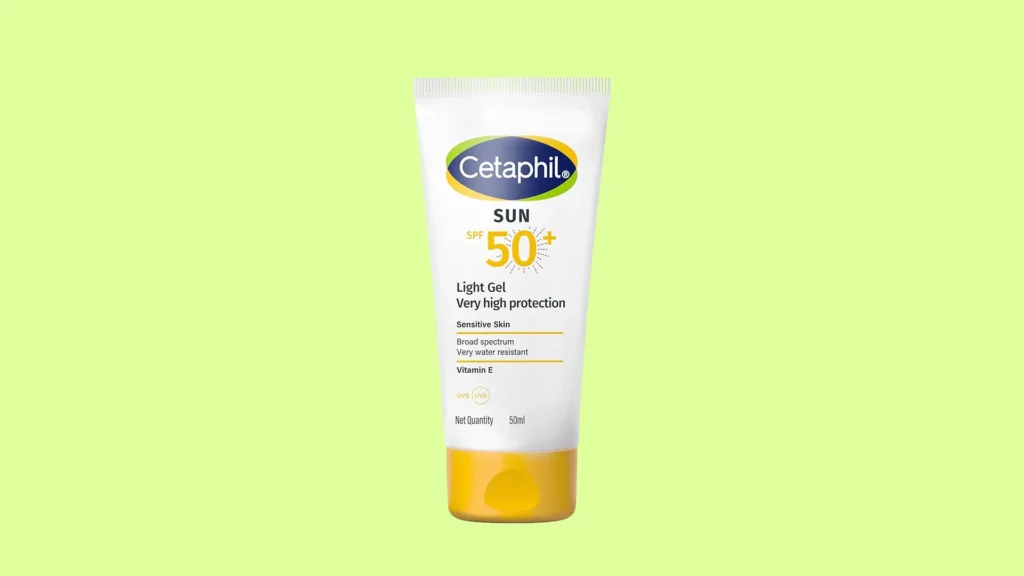
Best for: Sensitive and reactive skin
Rating: 4.5/5
Pros:
- Dermatologist-trusted formulation
- Gentle, low irritation risk
- Decent lightweight feel for a mineral sunscreen
Cons:
- Slight white cast
- Expensive compared to alternatives
Verdict: Reliable choice if your skin reacts easily and needs safe protection.
2. Re’equil Sheer Zinc Mineral Sunscreen SPF 50
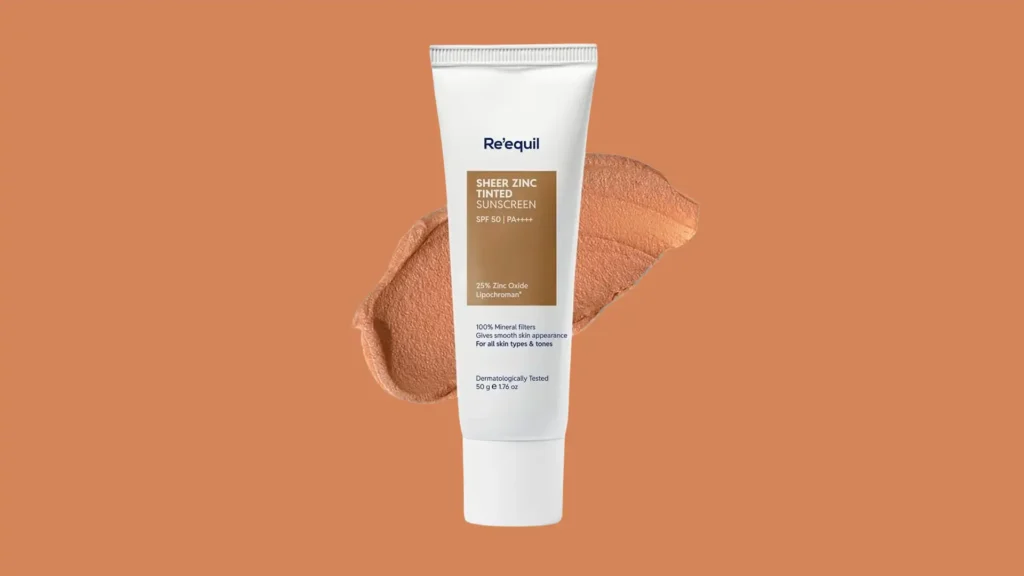
Best for: Oily and acne-prone sensitive skin
Rating: 4.4/5
Pros:
- Matte finish
- Zinc-based protection
- Works well for acne-prone skin
Cons:
- Can feel dry
- Needs proper blending
Verdict: One of the few mineral sunscreens that suits oily skin.
3. Dr. Sheth’s Ceramide & Vitamin C Sunscreen SPF 50+ PA++++
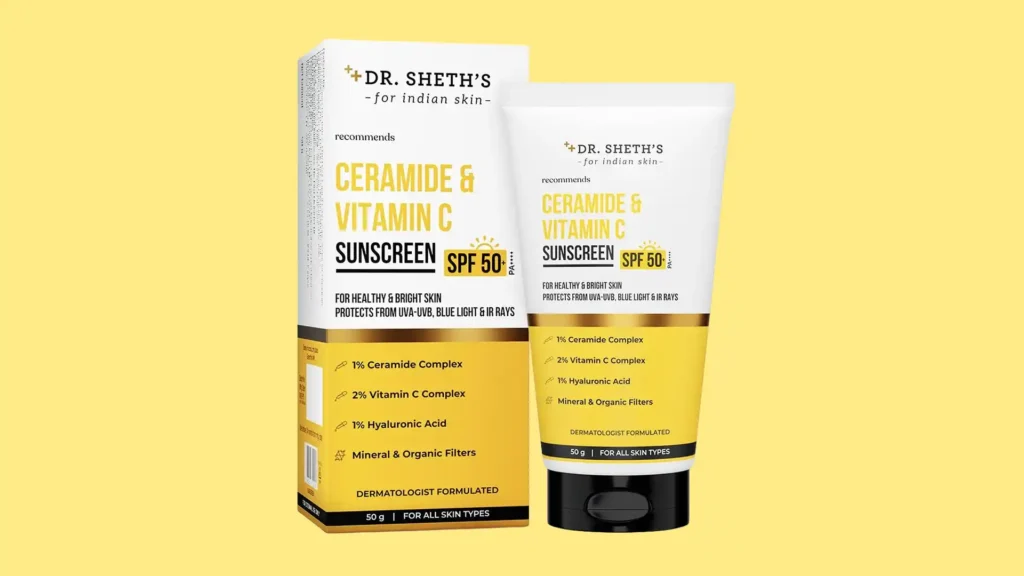
Best for: Dry, dull and barrier-damaged skin
Rating: 4.4/5
Pros:
- Contains ceramides for barrier repair
- Vitamin C helps in brightening
- Lightweight texture compared to typical mineral sunscreens
- Minimal to no white cast
Cons:
- Slightly dewy finish
- Not ideal for very oily skin in humid weather
Verdict: Strong modern mineral sunscreen that combines protection with skincare benefits.
Chemical Sunscreens
Chemical sunscreens absorb UV rays and convert them into heat. They’re lightweight, easy to apply, and often invisible on the skin, making them popular for daily wear.
However, some chemical filters have raised concerns about skin absorption and irritation. That’s why many dermatologists now recommend choosing newer, safer filters when possible.
Best sunscreen (Chemical Sunscreens)
1. The Derma Co 1% Hyaluronic Sunscreen Aqua Gel SPF 50
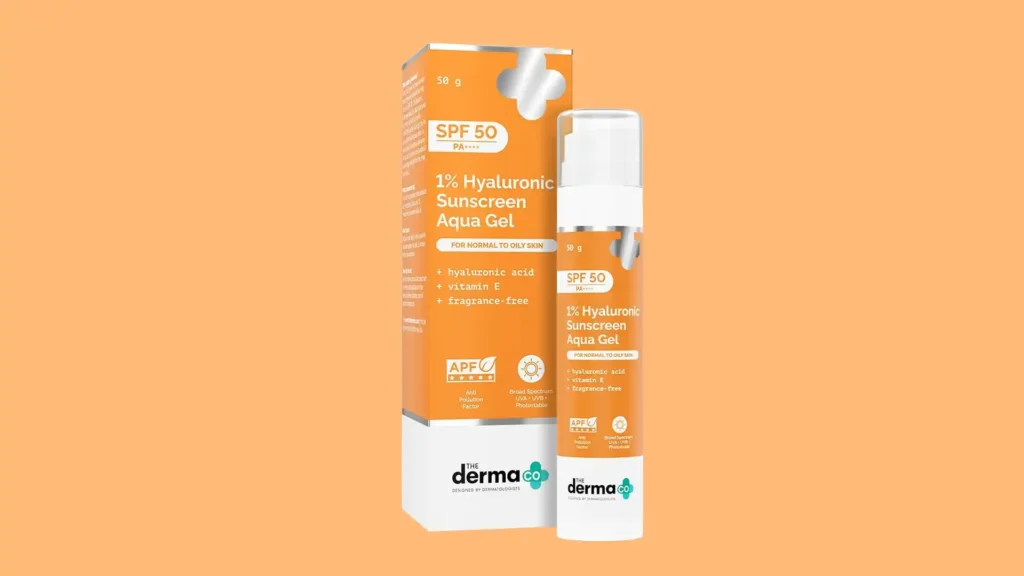
Best for: Oily and acne-prone skin
Rating: 4.6/5
Pros:
- Lightweight gel texture
- No white cast
- Comfortable in humid weather
Cons:
- Needs frequent reapplication
- Not very water-resistant
Verdict: One of the best daily sunscreens for Indian weather.
2. Minimalist SPF 50 PA++++ Sunscreen
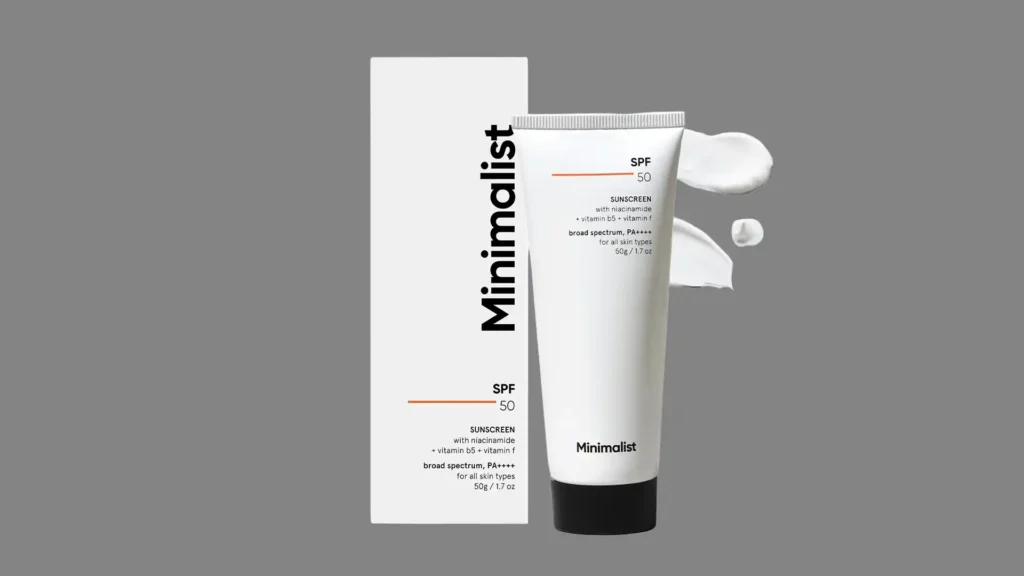
Best for: All skin types
Rating: 4.2/5
Pros:
- Modern UV filters
- Fragrance-free
- Reliable protection
Cons:
- Slightly heavy texture
- Can feel greasy on oily skin
Verdict: Strong formulation, but texture may not suit everyone.
3. Garnier Super UV Cooling Water Gel Sunscreen SPF 50
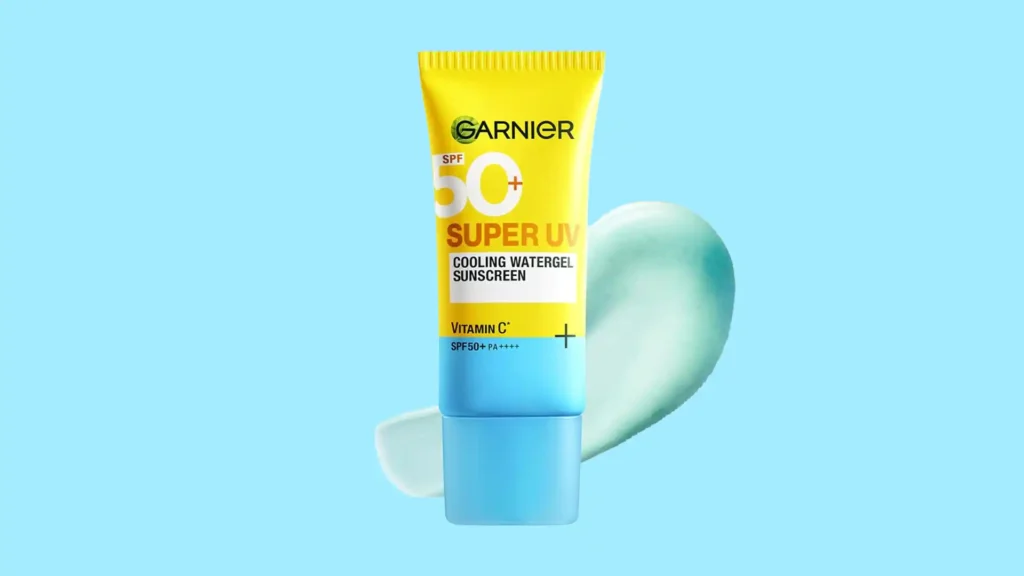
Best for: Oily and combination skin
Rating: 4.7/5
Pros:
- Extremely light weight
- Cooling effect
- No white cast
- Low Price
Cons:
- Low hydration
- Contains fragrance
Verdict: Excellent for hot weather and daily outdoor use.
4. DOT & KEY Vitamin C + E Super Bright Sunscreen Spf 50
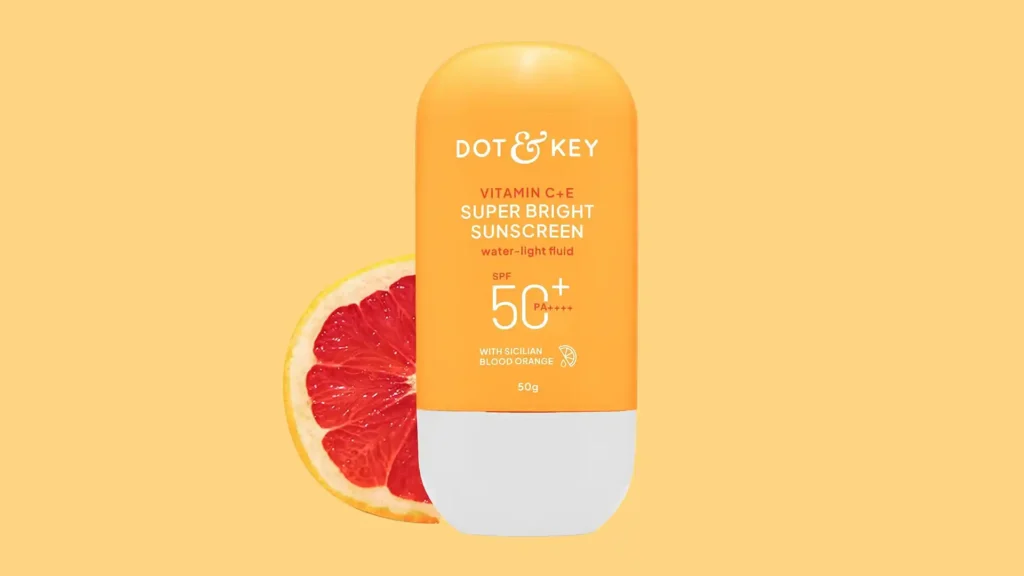
Best for: Dull and uneven skin
Rating: 4.6/5
Pros:
- Brightening effect
- Lightweight
- Good finish
Cons:
- Fragrance present
Verdict: Very Good option if you want glow with protection.
Hybrid Formulas
Hybrid sunscreens combine the best of both worlds—mineral and chemical filters. These formulas aim to provide strong protection while maintaining a lightweight feel.
If you’ve ever struggled to find a sunscreen that feels comfortable, hybrids might be your sweet spot.
Best sunscreen (Hybrid Sunscreens)
1. Dot & Key CICA Calming Mattifying Sunscreen SPF 50 PA++++ In-Vivo Tested
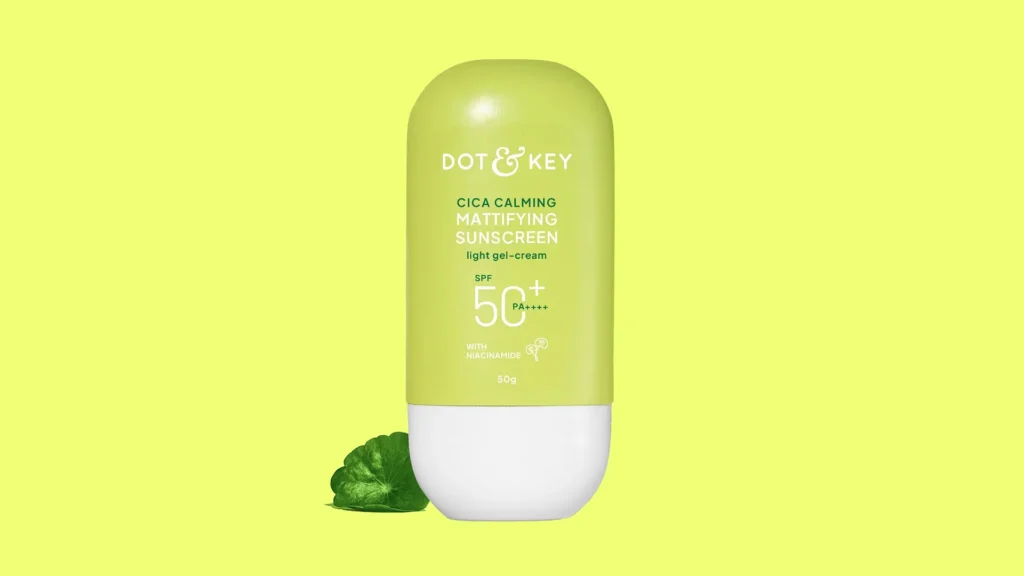
Best for: Acne-prone skin
Rating: 4.3/5
Pros:
- Calming ingredients
- Lightweight
- Good finish
Cons:
- Slight stickiness
- Contains fragrance
Verdict: Balanced option for acne-prone users.
2. Lakmē Sun Expert 1% Nia C water-light Sunscreen gel SPF 50 Pa++++
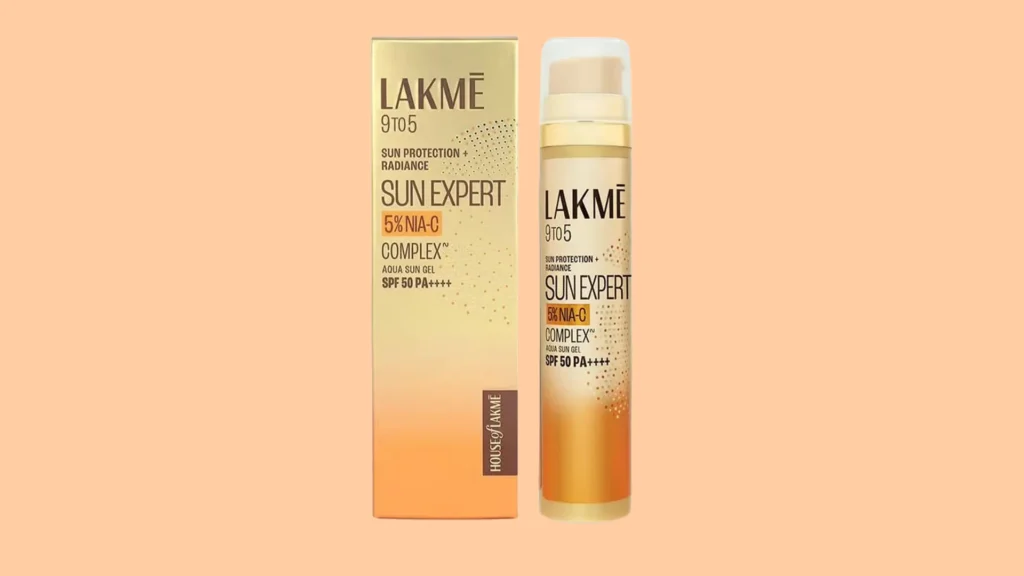
Best for: Oily, combination and dull skin
Rating: 4.2/5
Pros:
- Very lightweight
- water-gel texture
- Blends quickly with no white cast
- Contains niacinamide + vitamin C for brightening
- Suitable for humid Indian weather
Cons:
- Contains alcohol and fragrance
- Can feel slightly shiny after sweating
- Not very water-resistant
Verdict: Good daily sunscreen for oily skin users who want a lightweight, glow-boosting formula.
How to Choose the Best Sunscreen for Your Skin
For Oily and Acne-Prone Skin
If your skin gets shiny by noon or breaks out easily, sunscreen can feel like your enemy. But the right formula can actually help control oil and prevent breakouts.
Look for:
- Oil-free formulas
- Non-comedogenic labels
- Lightweight gel textures
Some modern sunscreens even include ingredients like niacinamide to reduce inflammation and oil production, making them multitaskers for acne-prone skin.
For Dry and Sensitive Skin
Dry skin needs hydration, and sensitive skin needs gentleness. Mineral sunscreens are often the safest choice here because they’re less likely to irritate.
Look for:
- Fragrance-free formulas
- Hydrating ingredients like hyaluronic acid
- Cream-based textures
Your sunscreen should feel like skincare, not a harsh layer sitting on your face.
For Indian Climate Conditions
Living in India means dealing with intense UV exposure almost year-round. The UV index often reaches extreme levels, making strong protection essential.
Dermatologists recommend:
- SPF 50 minimum for outdoor use
- PA+++ or higher for UVA protection
- Sweat-resistant formulas
In hot, humid weather, lightweight and non-greasy sunscreens are key. You want something you’ll actually enjoy wearing daily.
Best Sunscreens of 2026 (Expert Picks)
Top Dermatologist-Recommended Brands (Best sunscreens)
Here’s a comparison of some top sunscreens based on expert reviews:
| Brand | SPF | Best For | Key Feature |
|---|---|---|---|
| La Roche-Posay Anthelios | 60 | Sensitive skin | Lightweight, high protection |
| EltaMD UV Clear | 46–50 | Acne-prone skin | Calms irritation |
| Supergoop Unseen | 40–50 | Makeup users | Invisible finish |
| Blue Lizard Mineral | 50+ | Sensitive skin | Reef-safe |
These products consistently rank among the best due to their effectiveness, texture, and skin compatibility.
Budget vs Premium Sunscreens
Here’s the truth: expensive doesn’t always mean better. Some budget sunscreens perform just as well as premium ones in lab tests.
The key is to focus on:
- Ingredients
- Broad-spectrum protection
- Texture that suits your skin
Your skin doesn’t care about branding—it cares about protection.
How to Apply Sunscreen Correctly
The Right Amount Most People Get Wrong
Most people don’t use enough sunscreen—this is one of the biggest mistakes. Dermatologists recommend about 1/4 to 1/2 teaspoon for your face and a full ounce for your body.
Imagine painting a wall. If you only apply a thin, uneven layer, you’ll see patches. The same goes for sunscreen—uneven application leaves your skin exposed.
Reapplication Rules You Shouldn’t Ignore
Sunscreen isn’t a one-and-done product. It breaks down over time, especially with sweat, water, and sun exposure.
Reapply:
- Every 2 hours outdoors
- After sweating or swimming
Skipping reapplication is like locking your door once and leaving it open all day.
Common Sunscreen Mistakes
Trusting SPF Numbers Blindly
Higher SPF doesn’t mean invincibility. It’s easy to fall into the trap of thinking SPF 100 will protect you all day—but that’s not how it works.
Consistency beats intensity.
Skipping Sunscreen Indoors
Yes, even indoors. UVA rays can pass through windows and still damage your skin.
If you’re near windows or screens all day, sunscreen is still essential.
Emotional Benefits of Wearing Sunscreen Daily
Wearing sunscreen isn’t just about protection—it’s about peace of mind. It’s knowing you’re doing something today that your future self will thank you for.
It’s confidence. It’s self-care. It’s waking up years later and seeing healthy, glowing skin instead of regret.
Think of sunscreen as a promise you make to yourself—a small daily act that builds long-term beauty and health.
Conclusion
Choosing the best sunscreen isn’t about following trends—it’s about understanding your skin, your environment, and your lifestyle. In 2026, sunscreen is no longer optional. It’s essential.
The right sunscreen protects more than your skin—it protects your confidence, your future, and your story. So don’t skip it. Don’t rush it. Make it part of your daily ritual, like brushing your teeth or drinking water.
Your skin is with you for life. Treat it like it matters—because it does.
FAQs
What SPF is best for daily use?
SPF 30 is sufficient for daily indoor use, but SPF 50 is recommended for outdoor exposure, especially in high UV regions.
Can I skip sunscreen on cloudy days?
No. Up to 80% of UV rays can penetrate clouds, so sunscreen is still necessary.
Is mineral sunscreen better than chemical?
It depends on your skin type. Mineral sunscreens are better for sensitive skin, while chemical ones feel lighter.
How often should I reapply sunscreen?
Every 2 hours when outdoors or after sweating/swimming.
Can sunscreen prevent aging?
Yes. Regular sunscreen use significantly reduces wrinkles, dark spots, and premature aging.
Disclaimer:
This content is based on personal research and may contain inaccuracies. It is for informational purposes only and not a substitute for professional medical advice.